Ocoya markets itself as the complete solution: AI copywriter, graphic designer, and social media scheduler combined into one platform. For general marketers looking to consolidate tools, this comprehensive approach has appeal.
The problem emerges when you actually use it. Ocoya's "jack of all trades" approach means it masters none of them. The credit-based generation system becomes restrictive as your posting volume grows. And the interface feels cluttered trying to accommodate every possible feature.
If you need a tool that excels at what you actually require, whether that's superior design quality, genuine ecommerce integration, or intelligent scheduling, here are six powerful Ocoya alternatives worth evaluating in 2026.
1. Design Instantly
Ocoya generates content from text prompts, which frequently produces generic "stock photo" style results that don't represent your actual business. Design Instantly takes an entirely different approach by generating content from your real inventory.
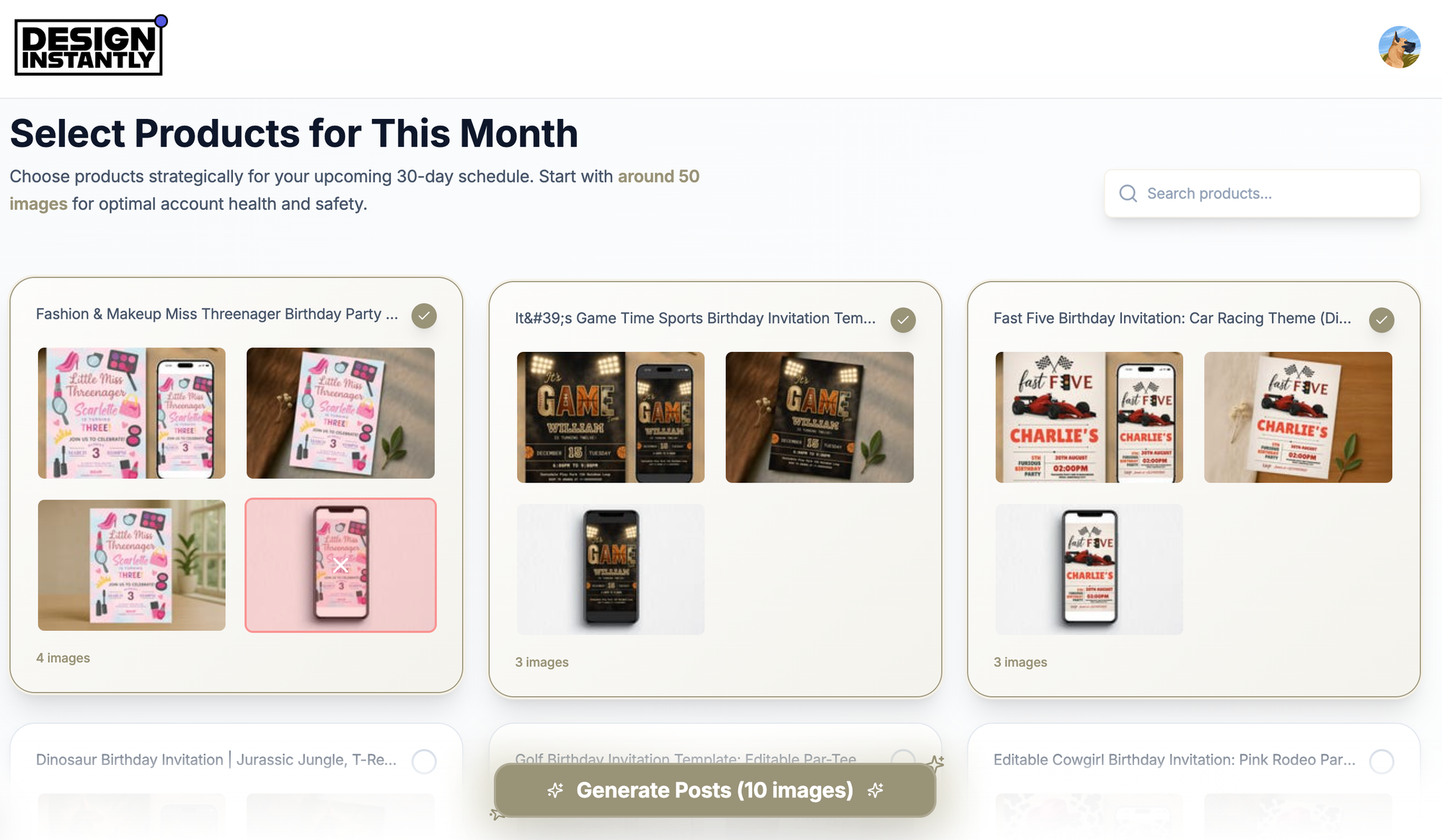
For ecommerce sellers, this fundamental difference changes everything. You don't ask an AI to "imagine a product." You connect your store, and Design Instantly pulls actual product images, pricing, and descriptions to build conversion-focused creatives automatically. It eliminates prompt engineering entirely through direct store integration.
Why It's Better
Inventory-Based Generation: Connects to Shopify, Etsy, and WooCommerce to create posts featuring your actual products rather than AI-generated approximations.
Sales-Optimized Design: Automatically applies "Shop Now" buttons, sale badges, and text overlays proven to drive conversions and clicks.
Bulk Automation: Generate a full month of content for your entire catalog in minutes instead of creating individual posts with limited credits.
Platform-Native Formatting: Automatically creates properly formatted Instagram carousels and Pinterest pins for each platform.
The Trade-Off
Built specifically for e-commerce businesses. If you're a consultant or SaaS company needing memes or text-only tweets, Ocoya's generalist AI serves those needs better.
Pricing
- Free: 100 posts free with no credit card required
- Paid: Starts at $20/month
Best for: Ecommerce sellers who want to convert their product catalog into a month of social content without wrestling with AI prompts.

2. Predis.ai
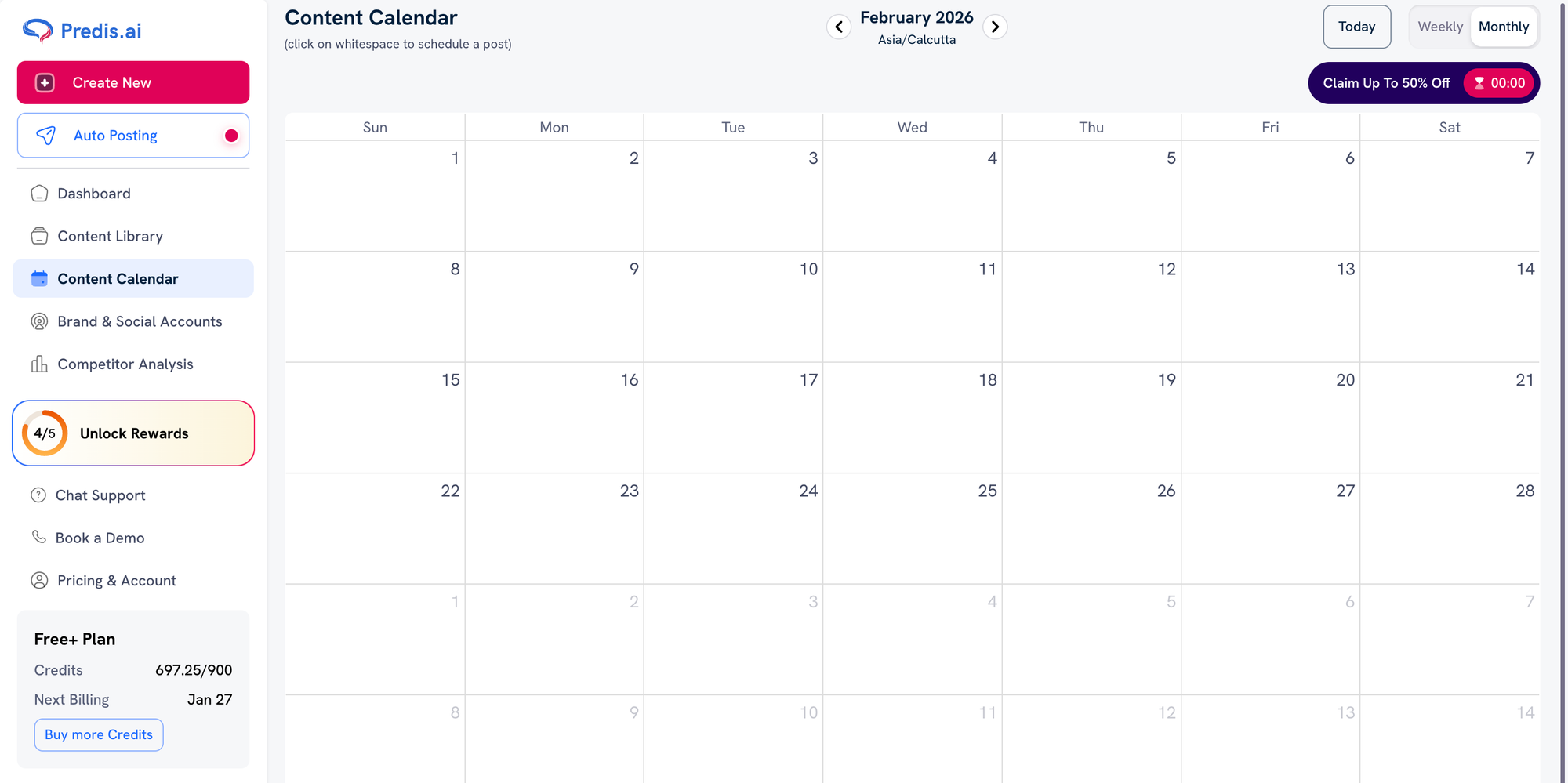
If you appreciate Ocoya's "AI generation plus scheduling" workflow but want different execution, Predis.ai functions as the closest direct competitor. The process is similar: provide a text description and it generates videos, captions, and images for you.
Predis distinguishes itself with competitor analysis features that let you identify what's performing well for other brands in your niche.
Why It's Better
Competitor Intelligence: Analyzes your competitors' top-performing posts to suggest content strategies and ideas.
Video Generation: Creates AI-powered videos and animations from prompts. Many users prefer Predis's video output quality over Ocoya's.
Brand Kits: Strong capabilities for ensuring AI adheres to your specific color palettes and font choices.
The Trade-Off
Uses a credit-based system like Ocoya, which becomes confusing and expensive for high-volume content creators.
Pricing
- Lite: Approximately $32/month
- Premium: Approximately $59/month
Best for: Marketers wanting an AI all-in-one tool with integrated competitor research.
3. Simplified
If Ocoya's editing capabilities feel limiting, Simplified functions as the comprehensive alternative. It's not merely a social tool but a complete design suite including AI writer, video editor, graphic design platform (comparable to Canva), and social scheduler.
The platform excels for teams needing to edit videos and write long-form blog content alongside social posts.
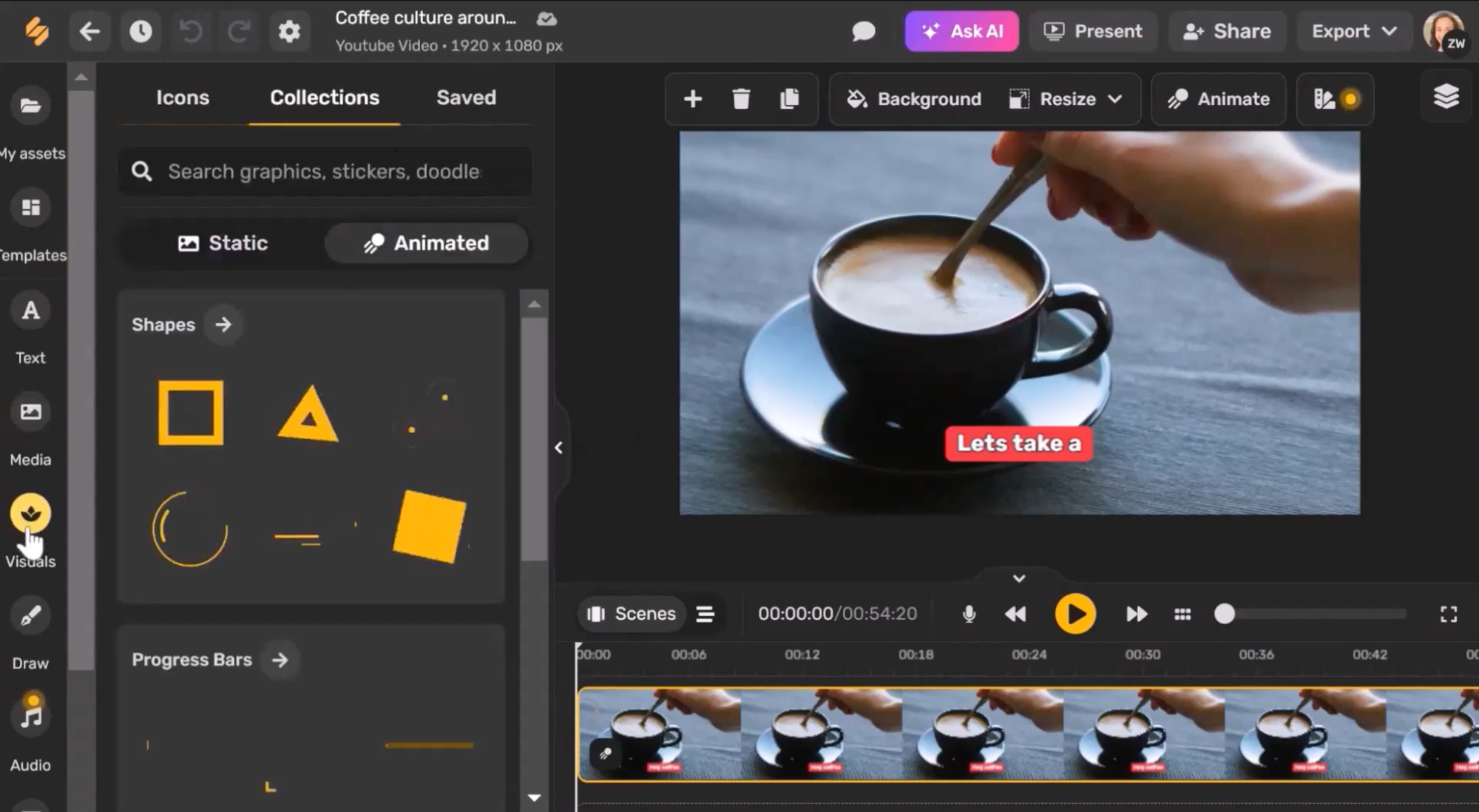
Complete Video Editor: Includes a robust timeline-based video editor far more powerful than Ocoya's basic animation tools.
AI Long-Form Writer: Generates blogs and articles, not just social captions, with AI assistance.
Team Collaboration: Excellent features for teams to comment on and edit designs together in real-time.
The Trade-Off
Complexity from doing so much (video, writing, design). The dashboard can overwhelm users who just want straightforward post scheduling.
Pricing
- Design Free: Capable free plan
- Pro: Approximately $30/month
Best for: Content teams needing a unified platform for video editing, blogging, and social media management.
4. Canva
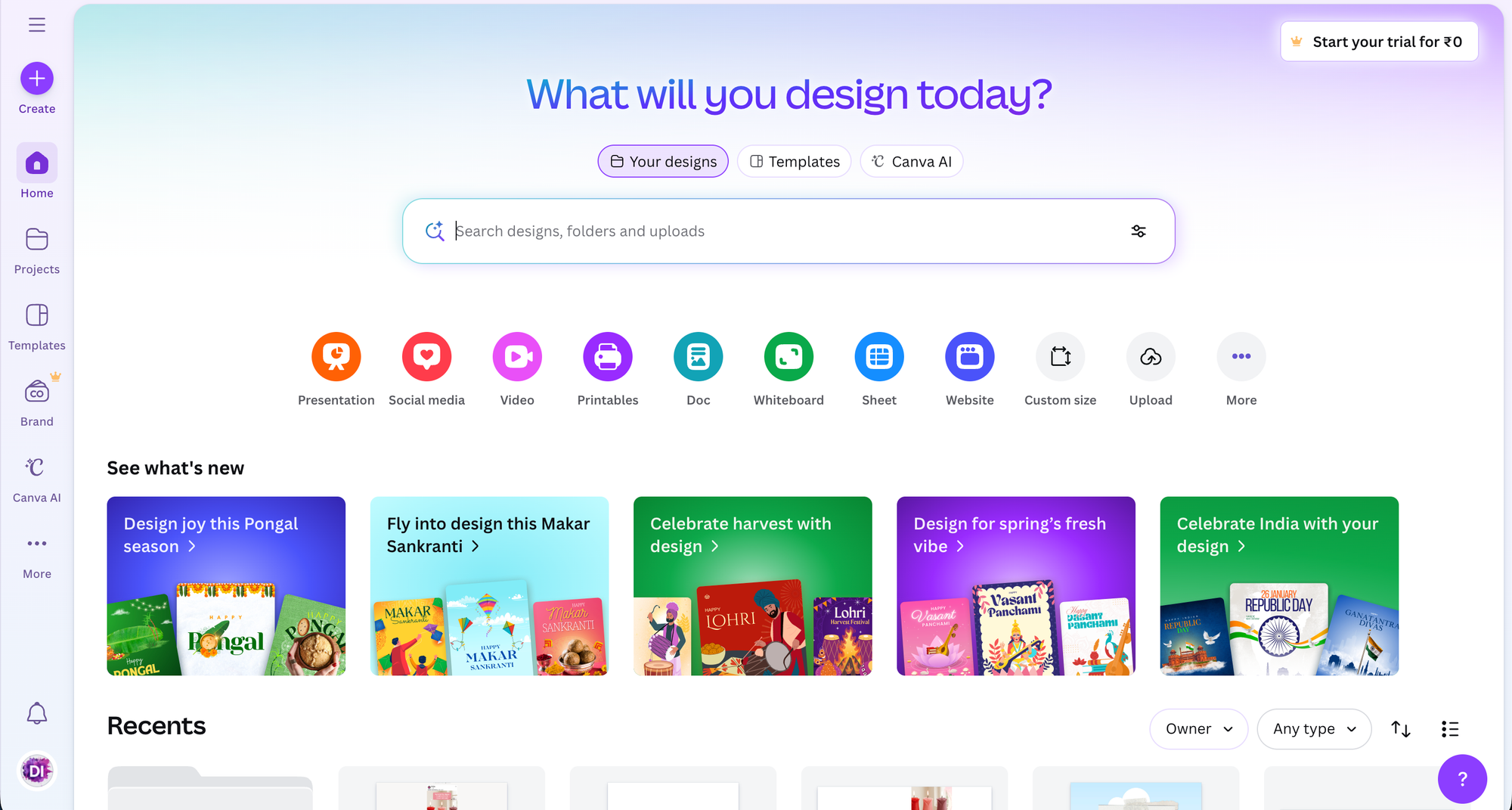
One of the most common complaints about Ocoya is that AI-generated designs look robotic or poorly executed. Canva solves the quality control problem. With the new "Magic Studio" features, Canva now offers similar AI generation tools while giving you significantly more control over final results.
You can use "Magic Design" to generate initial drafts, then use Canva's professional-grade editor to polish them into genuinely professional content.
Why It's Better
Design Quality: Templates and assets in Canva are consistently superior to Ocoya's AI output.
Magic Switch: Instantly resize one design into formats for Stories, Reels, and Posts with a single click.
Apps Ecosystem: Integrates with thousands of apps and AI image generators for extended functionality.
The Trade-Off
Not fully automated. You still handle the designing (even with AI assistance) and scheduling separately, whereas Ocoya attempts to automate everything in one flow.
Pricing
- Free: Excellent free tier
- Pro: $15/month
Best for: Brands prioritizing design quality and aesthetics over pure automation speed.
5. FeedHive
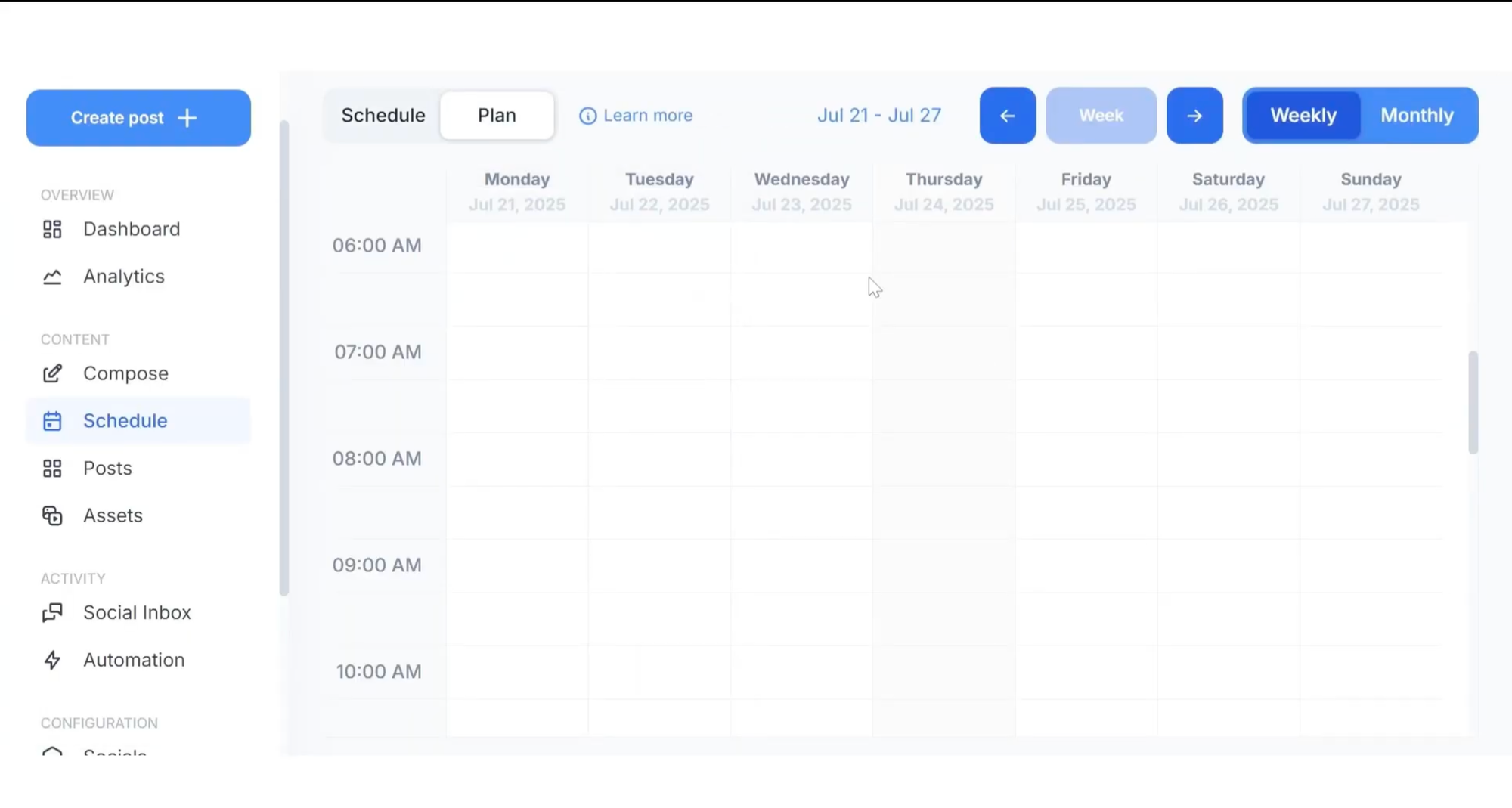
If you're using Ocoya primarily for scheduling and finding the interface clunky, FeedHive represents the smarter upgrade. It removes the generative art features and focuses exclusively on using AI to optimize your posting strategy.
The platform uses AI to analyze audience activity patterns and recycle your best-performing content, ensuring maximum engagement without constant content creation.
Why It's Better
Smart Recycling: Automatically re-queues your best evergreen content so your feed maintains consistent activity.
AI Performance Prediction: Analyzes posts before publication to predict likely engagement based on historical data.
Clean Interface: Widely praised for having a modern, fast, and stable interface compared to older platforms.
The Trade-Off
Doesn't create images or videos for you. You need to bring your own assets for FeedHive to distribute and optimize.
Pricing
- Creator: Approximately $19/month
Best for: Users with existing content who want intelligent AI assistance managing distribution and timing.
6. Buffer
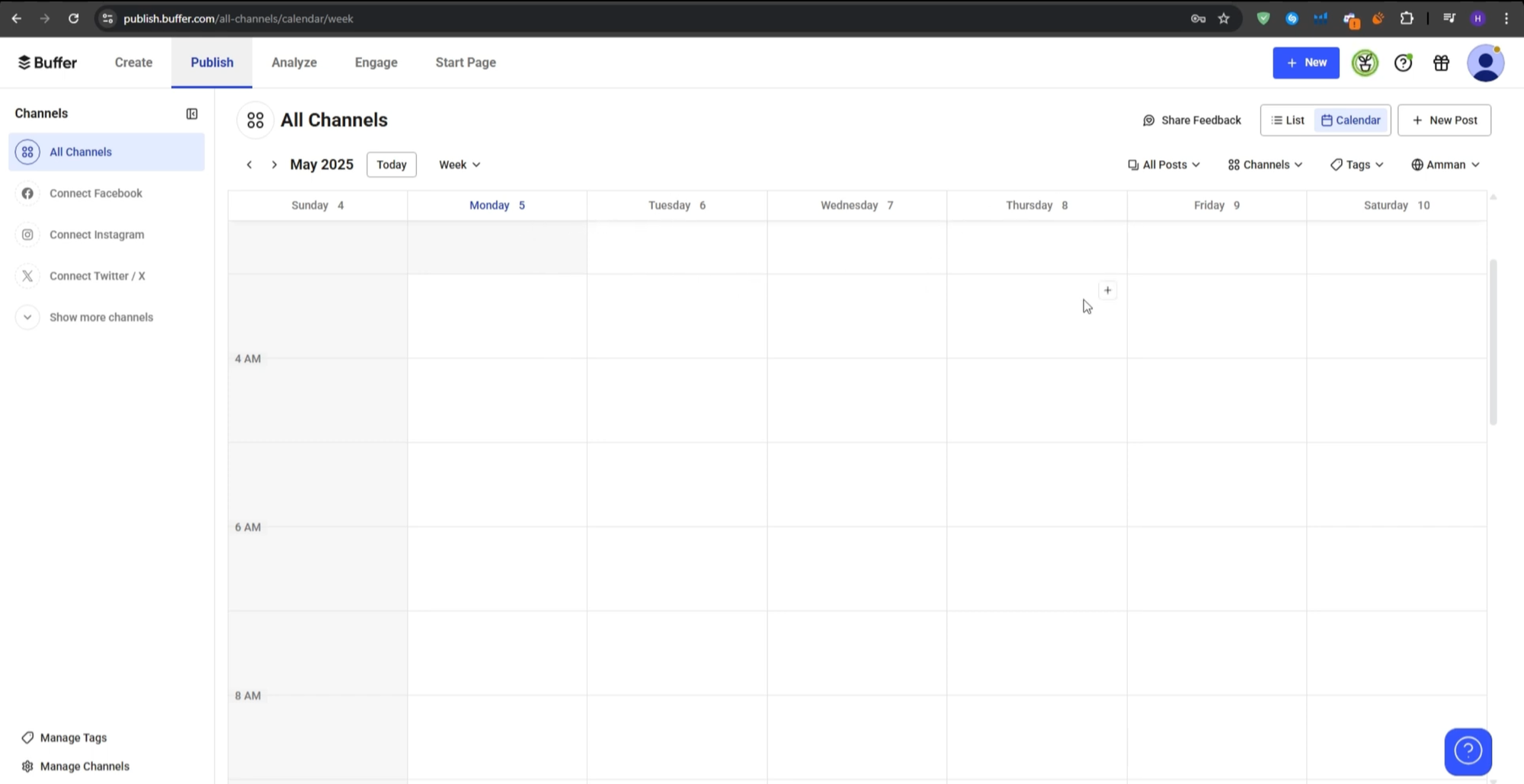
Sometimes you don't need AI to "do everything." You just need a tool that works reliably. Buffer represents the opposite of Ocoya's feature-heavy approach. It's simple, dependable, and transparent.
If you're fighting with Ocoya's complex settings or encountering bugs, Buffer's "Start Page" and clean queue system will feel refreshing.
Why It's Better
Reliability: One of the most stable platforms in the industry with minimal downtime or glitches.
Simplicity: Zero learning curve. Set up and start scheduling within minutes.
Affordable: Pay only for the channels you actually connect and use.
The Trade-Off
Strictly a scheduler. It includes a basic "AI Assistant" for caption rewriting, but won't generate images or videos.
Pricing
- Free: Basic plan for 3 channels
- Essentials: $6/month per channel
Best for: Small teams or solo entrepreneurs wanting a stress-free, straightforward scheduling experience.
Summary Comparison
| Feature | Design Instantly | Ocoya | Predis.ai | Simplified |
|---|---|---|---|---|
| Generation Source | Product Inventory | Text Prompts | Text Prompts | Manual / Templates |
| Primary Strength | Ecommerce Automation | AI All-in-One | Competitor Spying | Video & Design Suite |
| Output Quality | Sales-Focused / Clean | Hit or Miss (AI) | Good (AI) | High (Manual Edit) |
| Store Connect | Shopify, Etsy, WooCommerce | Limited | Limited | No |
| Price Model | Flat Rate | Credit Based | Credit Based | Flat Rate |
Which Alternative Makes Sense for You?
Choose Design Instantly if you're an ecommerce seller. It replaces Ocoya's vague AI prompts with concrete product data, allowing you to generate and schedule high-quality, sales-focused content for your entire catalog in minutes.
Choose Simplified if you want a superior all-in-one suite that handles video editing, long-form writing, and design better than Ocoya's individual components.
Choose FeedHive if you just need smarter scheduling without caring about AI image generation. It offers superior recycling and analytics tools to grow your reach.
Choose Canva if design quality is paramount. The templates and editing capabilities far exceed what Ocoya's AI can produce, though you sacrifice full automation.
Choose Predis.ai if you want to stay in the AI generation space but need competitor analysis features and potentially better video output.
Choose Buffer if you're tired of complexity and want a tool that simply works without AI complications or feature overload.
The core issue with Ocoya isn't that it's a bad platform. It's that trying to do everything means it doesn't excel at anything specific. Most ecommerce sellers don't need generic AI art generation. They need their actual products transformed into professional social content.
Evaluate where Ocoya actually falls short in your workflow. If it's design quality, you need Canva. If it's the prompt-based approach when you have real products to showcase, you need Design Instantly. If it's the cluttered interface, you need Buffer or FeedHive.
Choose the tool that solves your specific problem rather than promising to solve every problem adequately.