
Tailwind has been a go-to tool for ecommerce sellers focusing on Pinterest and Instagram marketing. It's known for SmartSchedule, bulk pin uploading, and Pinterest-specific features that helped thousands of shop owners drive traffic to their stores.
However, many sellers are finding Tailwind's interface increasingly cluttered. The credit-based system for design generation feels restrictive for high-volume stores, and the Ghostwriter AI tool often produces generic copy that doesn't work well for product-based businesses.
If you're looking for better content automation, simpler workflows, or more modern features built specifically for ecommerce, here are the most practical alternatives to consider in 2026.
1. Design Instantly
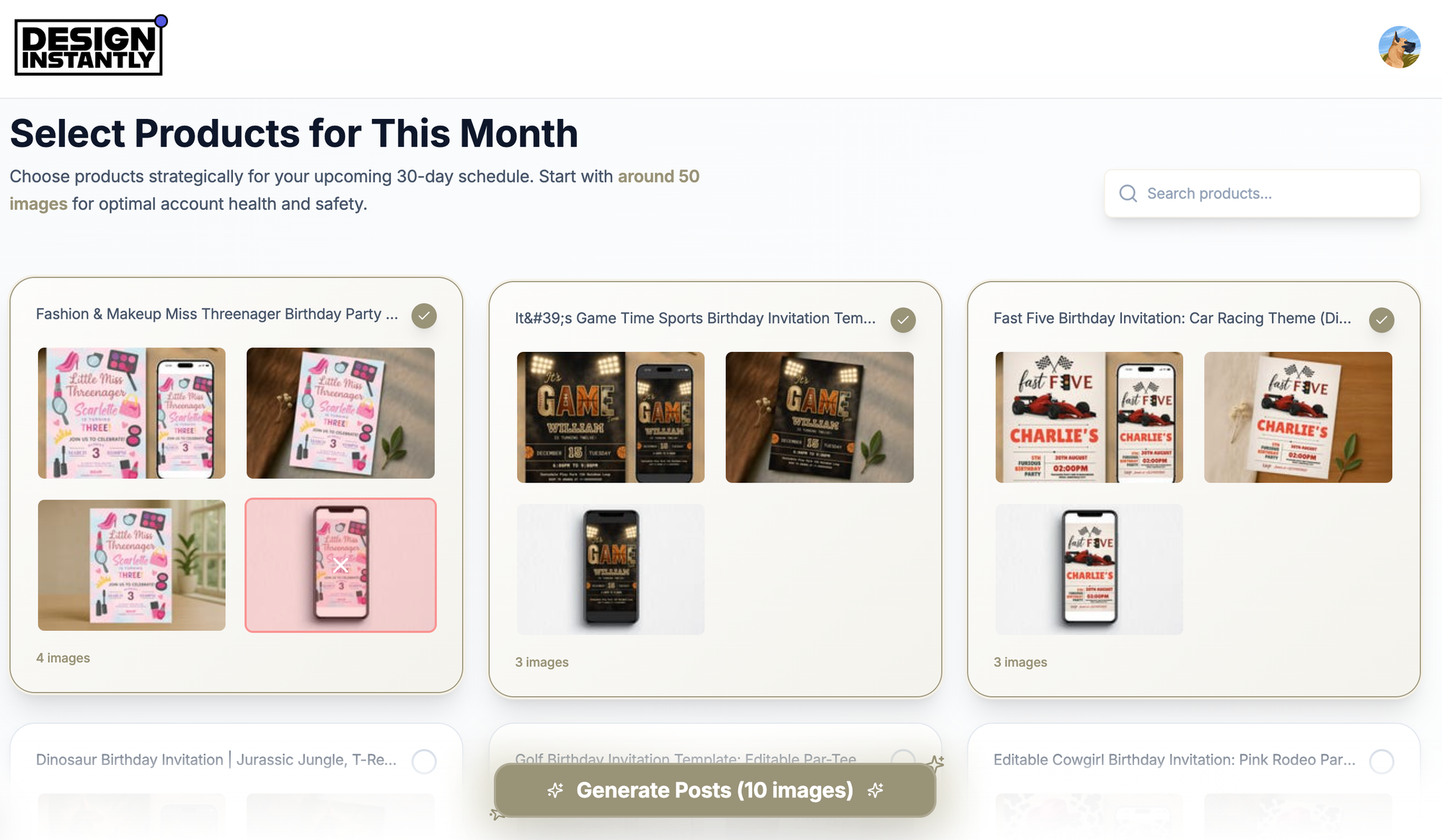
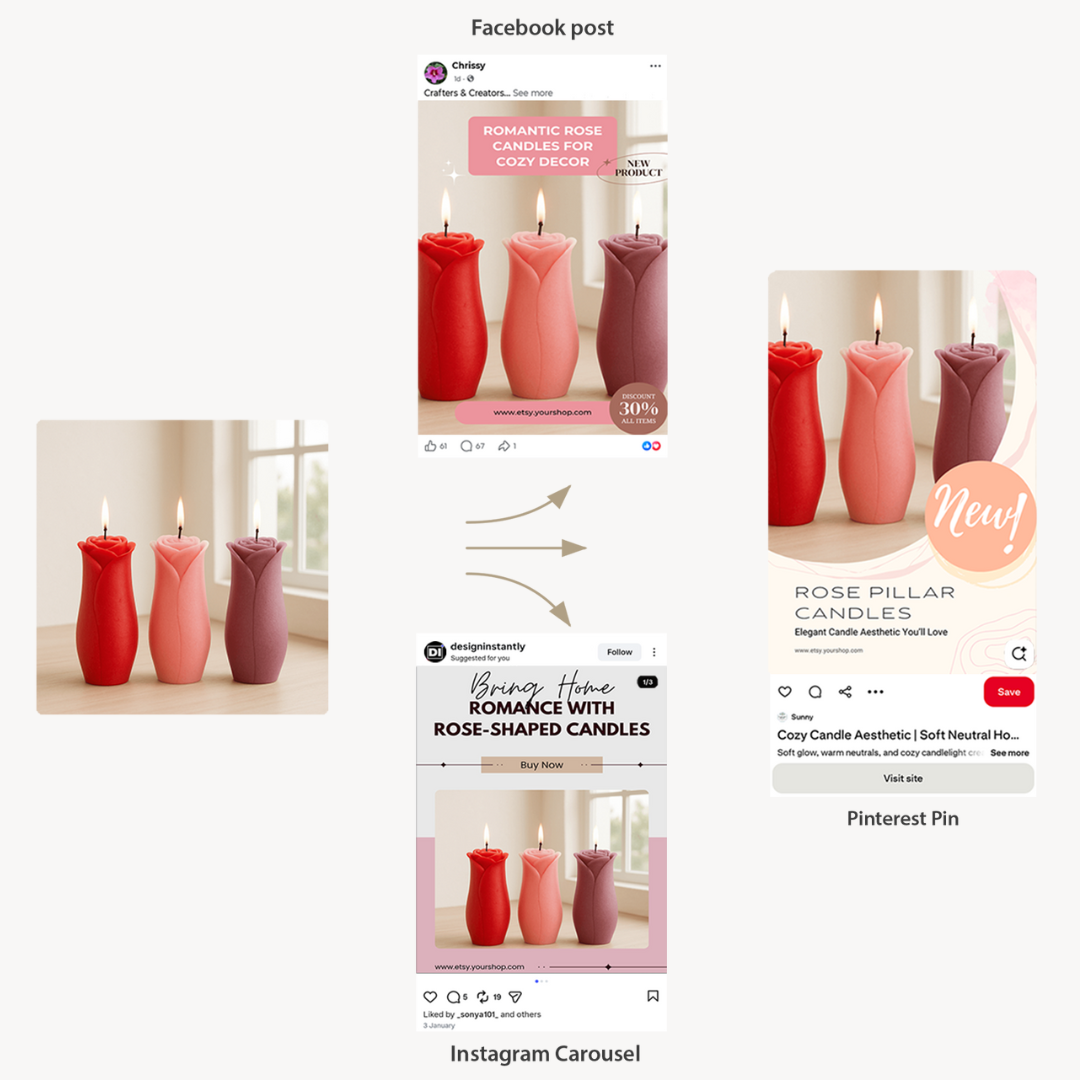
Design Instantly is an automation tool built specifically for ecommerce sellers who need to convert their product catalog into social media content quickly. While most scheduling tools focus on posting content you've already created, Design Instantly generates the content itself using your product data.
It connects directly to your store, pulls product information, and creates a full month of ready-to-post content including captions, hashtags, and platform-optimized graphics.
Key Features
Multi-Product Bulk Creation: Select multiple products from your catalog at once and generate content for your entire month in a single workflow.
Direct Store Integrations: Connects with Etsy, Shopify, and WooCommerce to automatically pull product images, pricing, and descriptions.
Automated Design Generation: Applies sales-focused text overlays, calls-to-action, and brand-consistent formatting without manual editing.
Platform-Specific Optimization: Creates content formatted correctly for Facebook, Instagram (including carousels), and Pinterest.
Pinterest Board Selection: Automatically selects the most relevant Pinterest boards for your pins to maximize reach.
Limitations
Design Instantly is focused exclusively on product-centric content. If you need to schedule lifestyle blog posts, brand storytelling content, or posts unrelated to specific products, this tool isn't designed for that.
Pricing
- Free Plan: 100 posts for free with no credit card or account required
- Paid Plans: Start at $20/month
Best for: Etsy, Shopify, and WooCommerce sellers who want to automate monthly content creation rather than just scheduling.
2. Planoly
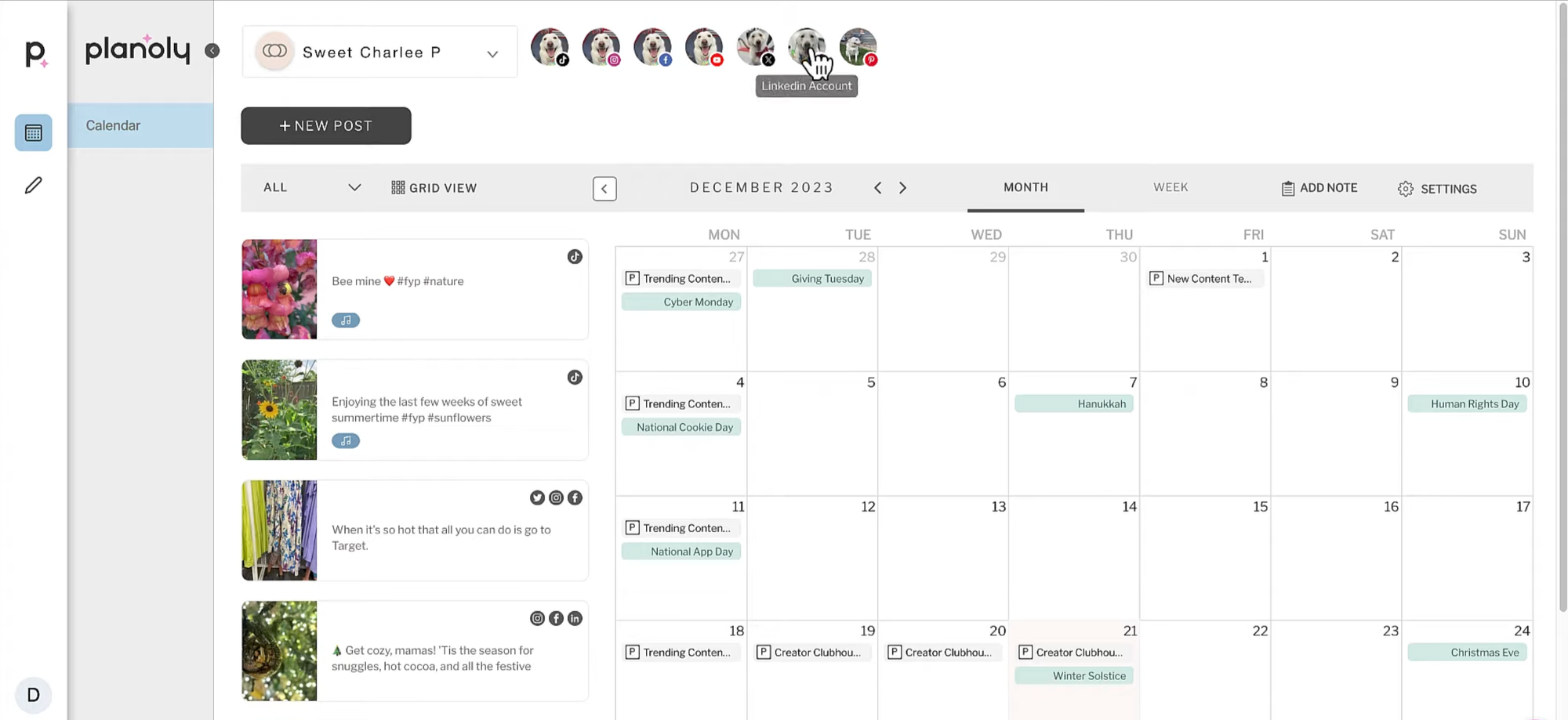
Planoly is a visual-first planning tool popular among lifestyle brands and fashion sellers who prioritize Instagram aesthetics. It was one of the first platforms to offer drag-and-drop grid planning, making it easy to preview how your Instagram feed will look before publishing.
Where Tailwind emphasizes data and optimal scheduling times, Planoly focuses on visual storytelling and feed curation.
Key Features
Visual Grid Planner: Drag and drop images to preview exactly how your Instagram profile will appear.
Sellit Tool: Transforms your link-in-bio into a shoppable storefront, similar to Tailwind's Smart.bio but with a cleaner interface.
Auto-Post Support: Schedules and auto-posts to Instagram, Pinterest, Facebook, and TikTok.
Trend Tracking: Provides trending audio suggestions and content ideas for Reels and TikTok.
Limitations
Planoly has minimal design capabilities. It assumes you've already created your graphics and focuses on planning and scheduling rather than content creation.
Advanced features like the Sellit storefront require higher-tier paid plans.
Pricing
- Starter: $16/month (monthly) or $14/month (annual)
- Growth: $28/month (monthly)
Best for: Visual-focused brands with existing high-quality photography who need to maintain an aesthetically cohesive Instagram presence.
3. Pinterest Native Scheduler
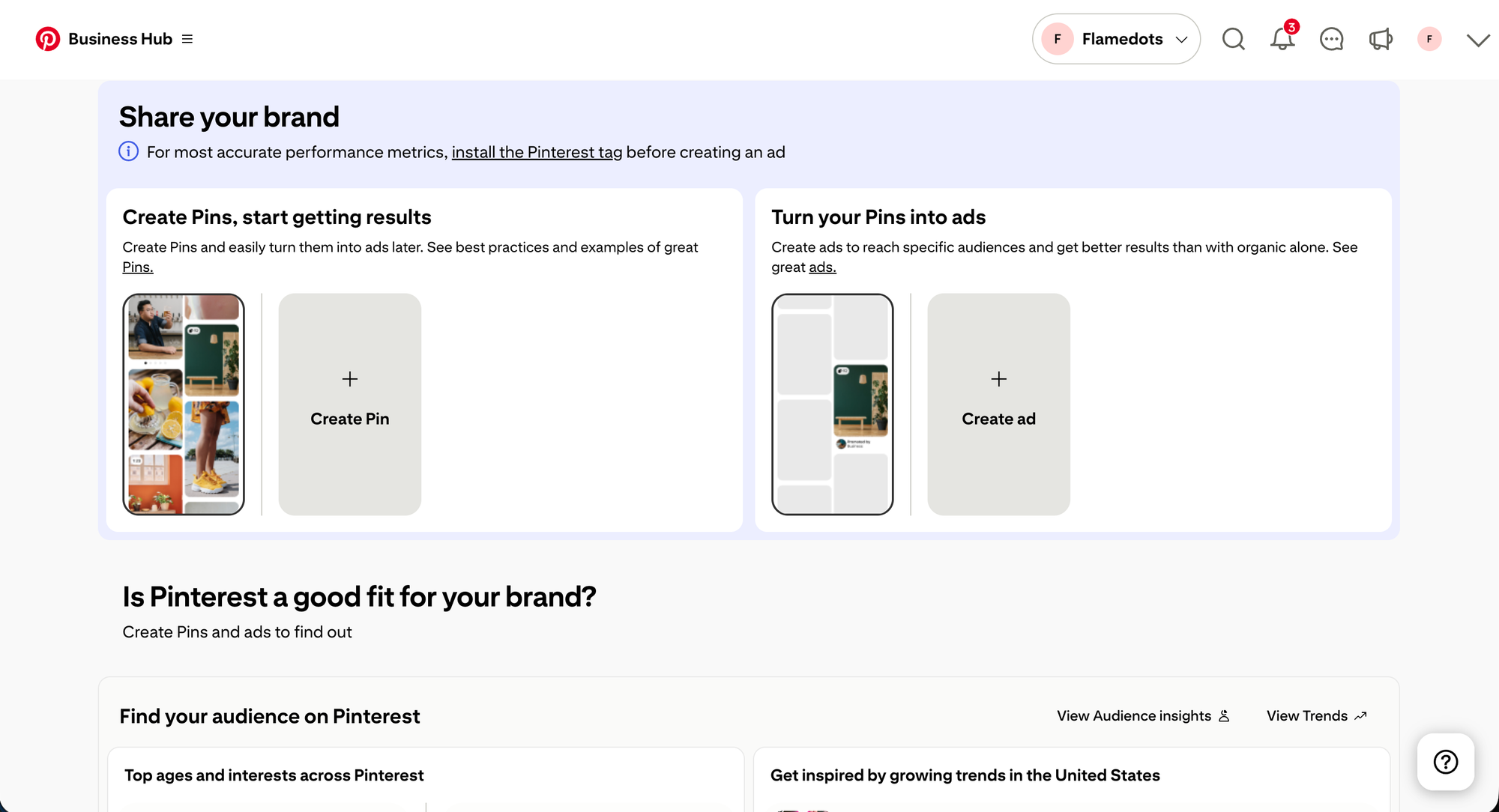
For sellers who primarily used Tailwind for Pinterest scheduling, the platform's native scheduler has improved significantly and may eliminate the need for a third-party tool entirely.
Pinterest now allows you to schedule pins weeks in advance directly from the mobile app or desktop Business Hub, making it a zero-cost option for sellers focused on a single platform.
Key Features
No Subscription Cost: Completely free with no post limits or restrictions.
Native Analytics: Access Pinterest's first-party data on impressions, clicks, and engagement without third-party interpretation.
Idea Pins Support: Full functionality for creating and scheduling Idea Pins, which some third-party tools handle inconsistently.
Simple Interface: No learning curve since it's integrated into the Pinterest platform you already use.
Limitations
The native scheduler doesn't support bulk uploading. You can't schedule hundreds of pins at once via CSV or use looping features like Tailwind's SmartLoop.
It only works for Pinterest. You'll need separate tools for Instagram, Facebook, or other platforms.
Pricing
- Free: $0/month
Best for: Budget-conscious sellers who focus exclusively on Pinterest and have the time to schedule pins individually.
4. FeedHive
FeedHive is an AI-driven scheduling platform that offers more advanced automation than Tailwind's SmartSchedule. It analyzes follower activity patterns and automatically recycles your best-performing content to keep your feed active.
The platform is generally faster and less resource-intensive than Tailwind, which can become slow when managing large accounts.
Key Features
Content Recycling: Automatically reposts high-performing evergreen content at optimal times, similar to Tailwind's SmartLoop but with better AI timing.
AI Writing Assistant: Generates captions and hashtag suggestions based on your images and brand voice.
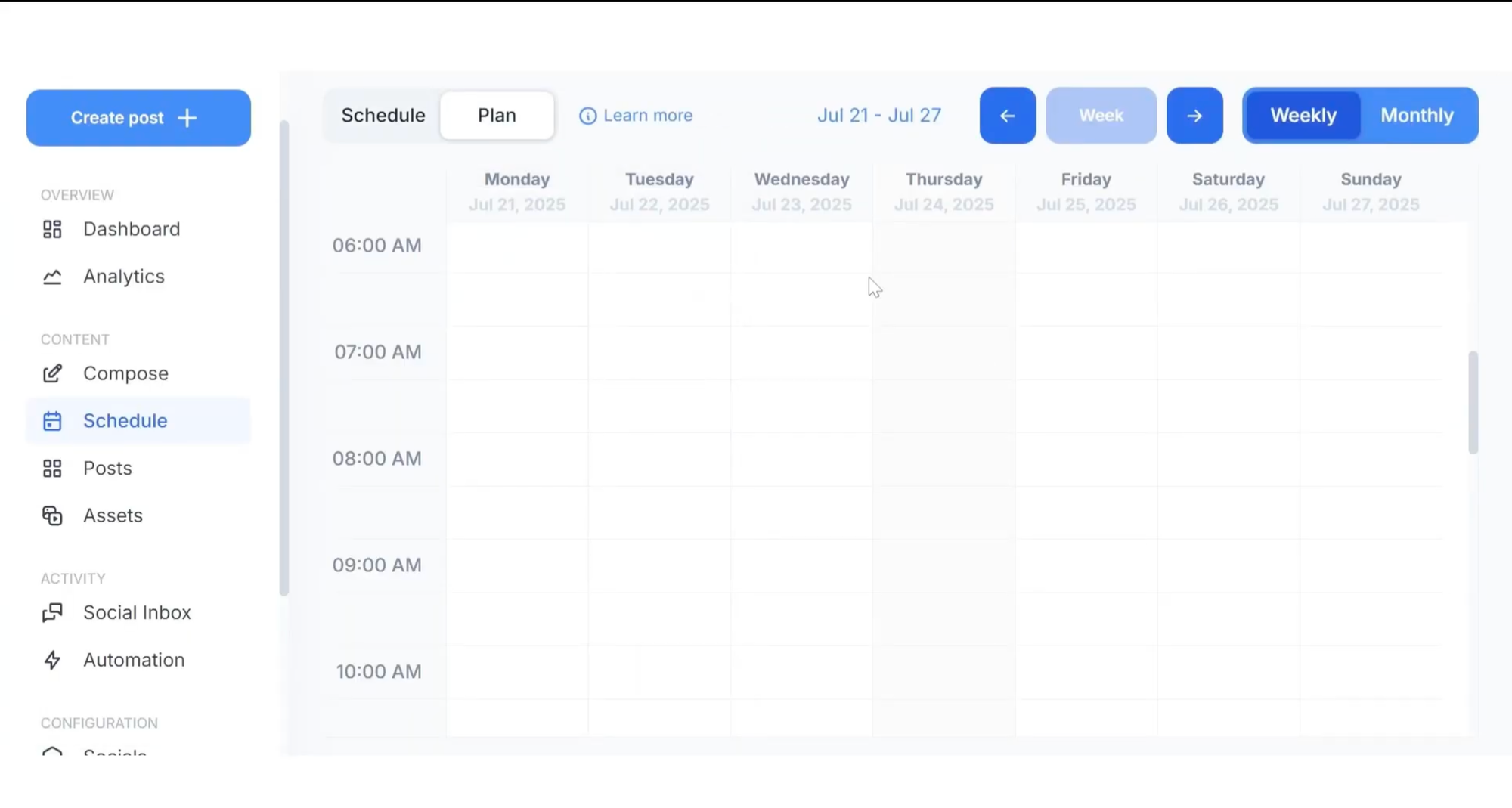
Visual Planning Calendar: Drag-and-drop interface for scheduling across multiple platforms.
Unified Social Inbox: Consolidates comments from different platforms into a single feed for easier community management.
Limitations
The interface is feature-dense, which can be overwhelming for users who want a simple posting solution.
Team collaboration features are only available on higher-tier plans, making it more expensive than basic schedulers.
Pricing
- Creator: $19/month
- Brand: $29/month
Best for: Sellers managing evergreen content across multiple platforms (Twitter, LinkedIn, Instagram) who want AI-powered recycling and optimization.
5. Later
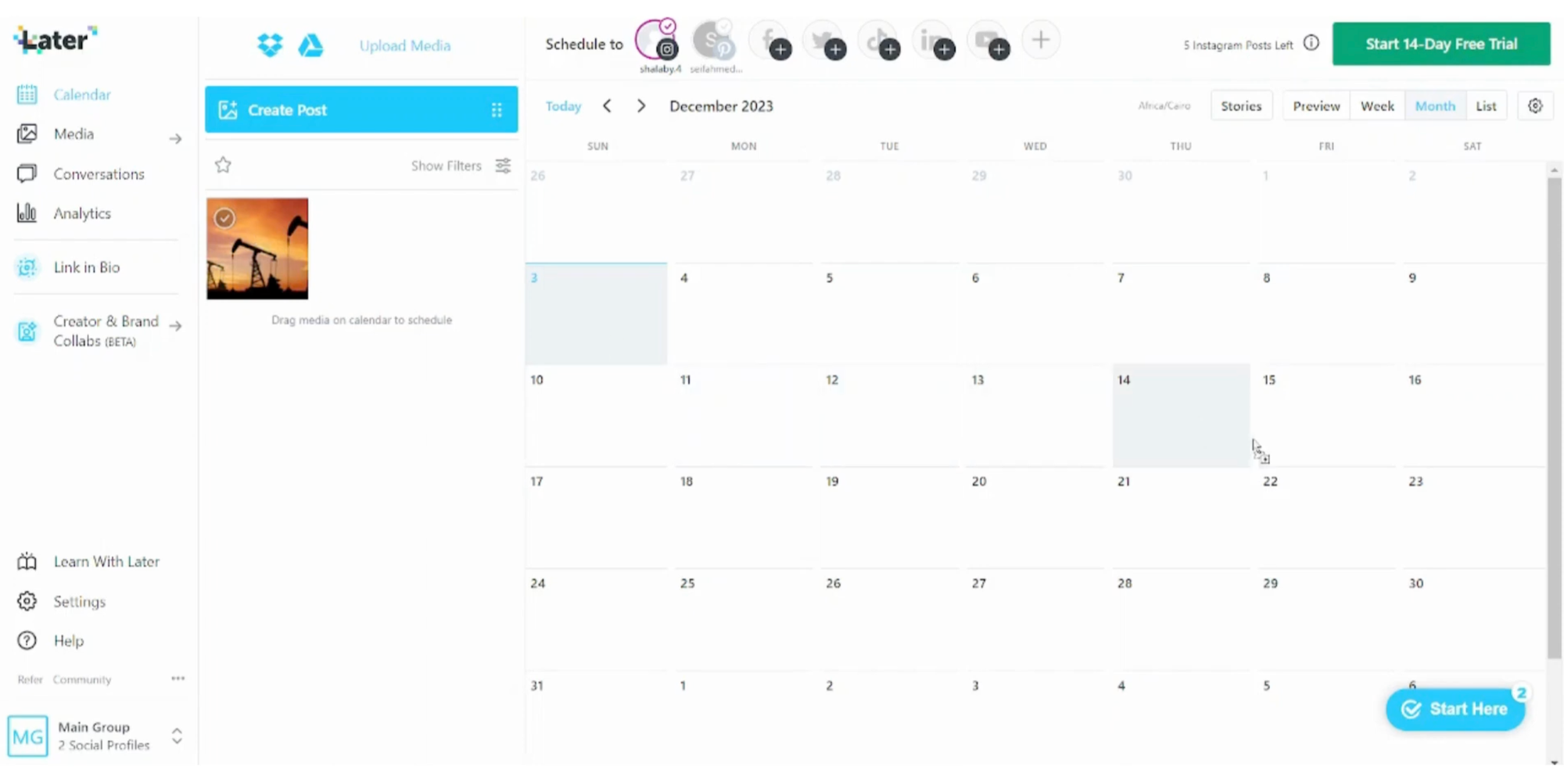
Later is often considered Tailwind's main competitor in the social media scheduling space. If you find Tailwind's interface cluttered or outdated, Later offers a more modern, streamlined user experience.
The platform started as an Instagram-focused tool but now has strong Pinterest and TikTok capabilities. Its Linkin.bio feature is widely regarded as one of the best solutions for ecommerce product tagging.
Key Features
Media Library: Robust system for organizing and tagging product photos with searchable labels.
Cross-Platform Scheduling: Visual planning for Instagram, Pinterest, TikTok, and LinkedIn in one interface.
Creator Marketplace: Connects brands with influencers for collaboration opportunities, a feature Tailwind doesn't offer.
Shopify Integration: Deep integration that simplifies product tagging and shoppable post creation.
Limitations
Lower-tier plans have strict monthly post limits, which can be restrictive for high-volume sellers.
Later doesn't create content for you. Like Planoly, it expects you to upload finished graphics and focuses on scheduling and organization.
Pricing
- Starter: $25/month
- Growth: $50/month
Best for: Established Shopify brands that want a polished, premium interface and robust link-in-bio functionality.
Which Tool Should You Choose?
The right alternative depends on what you actually need from your social media workflow.
If your main bottleneck is content creation itself, Design Instantly solves the problem by generating ready-to-post content directly from your product catalog. It removes the need to design images and write captions manually, which is the most time-consuming part of social media management for product sellers.
If you like Tailwind's scheduling features but want a better interface, Later provides a more modern experience with particularly strong features for Shopify users. The interface is cleaner and the Linkin.bio tool is excellent for driving sales.
If you're a smaller seller looking to reduce costs, the Pinterest Native Scheduler covers basic scheduling needs for free. It works well if you don't need bulk automation or multi-platform posting.
If you need advanced content recycling and AI optimization, FeedHive offers smarter automation than Tailwind's SmartSchedule, particularly for managing evergreen content across multiple platforms.
The key difference between these tools comes down to whether you need help creating content or just scheduling it. Most alternatives assume you already have finished graphics and copy. Design Instantly is built for sellers who don't have time for that step and need the content generated automatically from their product catalog.
Consider where you actually spend the most time in your current workflow, and choose the tool that eliminates that specific bottleneck.