
Running an online store means keeping your social media presence active, and that's a constant challenge. Outfy has been a popular solution for years, helping sellers automate the process of turning product photos into collages, videos, and scheduled posts across multiple platforms.
However, as social media algorithms increasingly favor high-quality, engaging content over generic automated posts, many sellers are reconsidering their options. Common concerns with Outfy include outdated design templates, limited caption customization, and an interface that can feel overwhelming for new users.
If you're evaluating alternatives to Outfy, this guide covers the most practical options for ecommerce sellers in 2026, from full automation tools to design-focused platforms.
1. Design Instantly
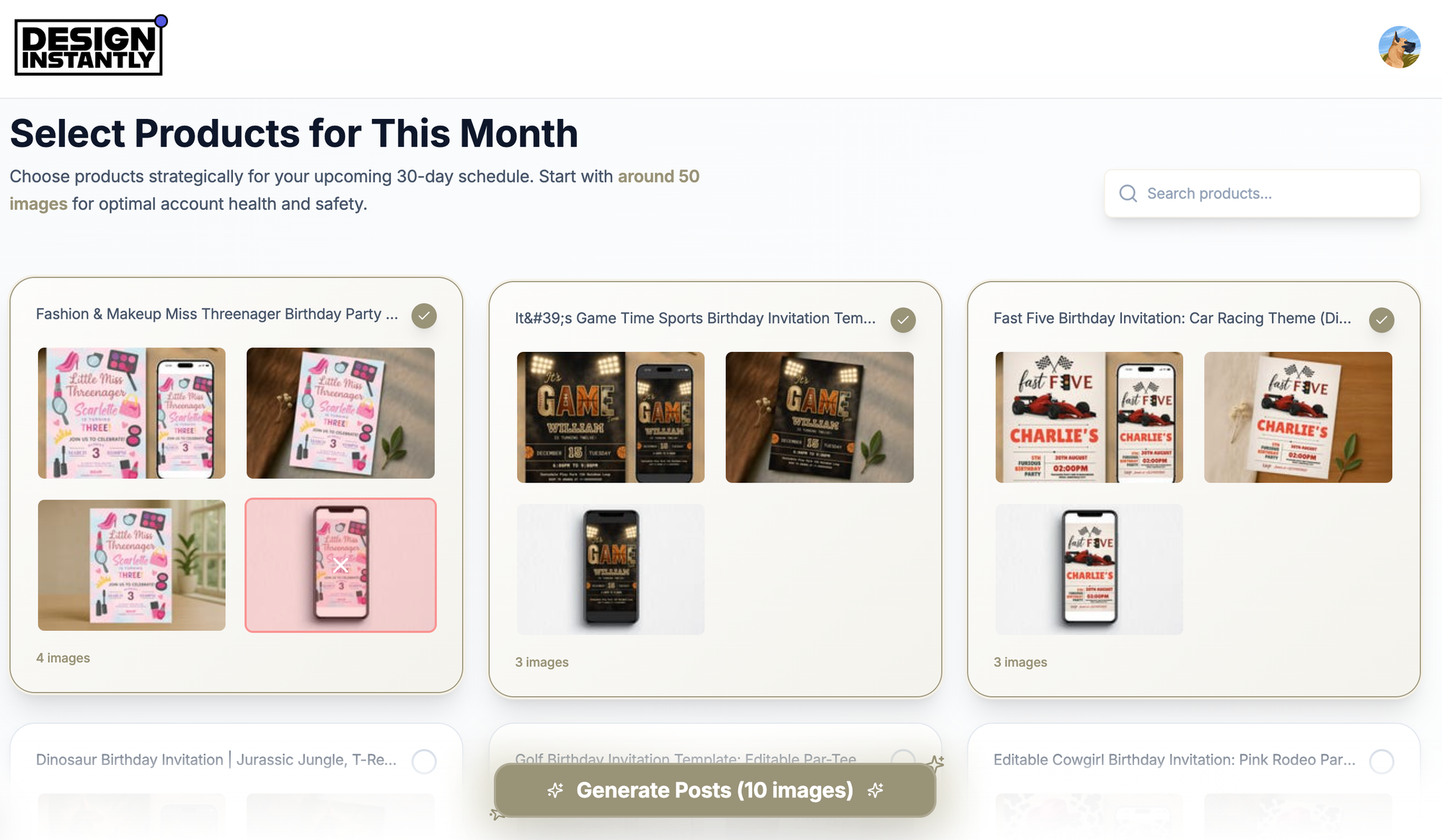
Design Instantly is a social media automation tool built specifically for ecommerce sellers who need conversion-focused content without manual design work. Rather than just scheduling posts you've already created, it generates ready-to-post content directly from your product catalog that you can schedule in advance across different social media platforms.
It connects to your store and creates a full month of social media posts in minutes, handling design, copywriting, and platform-specific formatting automatically.
Key Features
Bulk Content Generation: Creates an entire month of posts for Facebook, Instagram, and Pinterest in a single workflow.
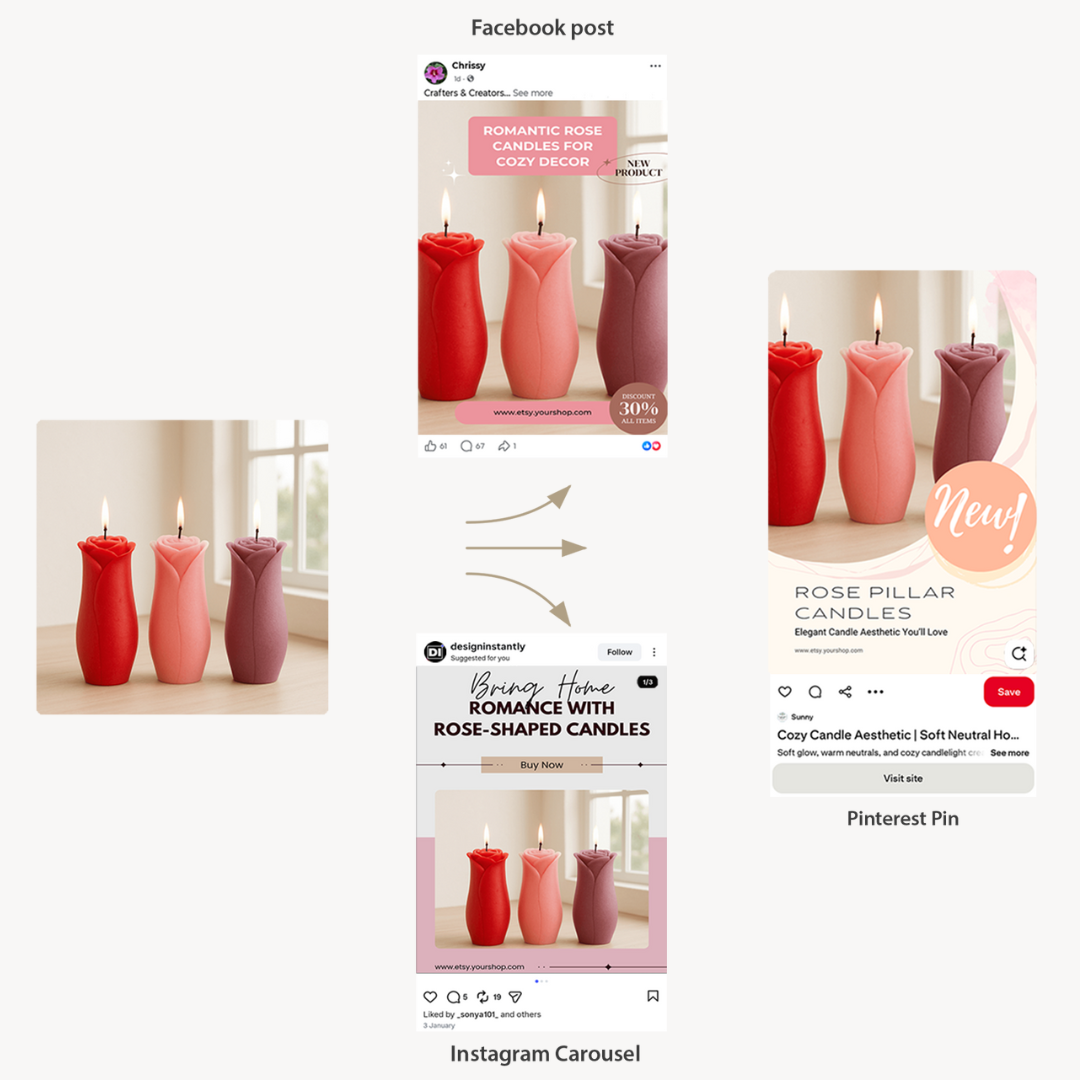
Conversion-Focused Design: Automatically applies product-focused text overlays and calls-to-action like "Shop Now" or "Limited Stock" instead of posting plain product images.
Platform-Specific Optimization: Generates carousel posts formatted for Instagram and layouts optimized for Pinterest's visual discovery algorithm.
Automated Copywriting: Writes captions, titles, descriptions, and alt text for each post with SEO considerations built in.
Pinterest Board Selection: Automatically assigns pins to the most relevant boards based on product categories.
Limitations
Design Instantly specializes in product-centric content. If you need to schedule lifestyle blog posts, brand storytelling content, or posts unrelated to specific products in your catalog, this tool won't handle those use cases.
Pricing
- Free Plan: 100 Free posts with no account creation or credit card required
- Paid Plans: Start at $20/month
Best for: Ecommerce sellers who want sales-driven social media content generated automatically without design skills or complex setup & schedule the content in advance.
2. Predis.ai
Predis.ai is an AI-powered content generator that combines design, caption writing, and hashtag generation in one platform. It's a direct alternative to Outfy for sellers who want to use artificial intelligence to create posts from their product catalog, with integrations for Shopify and WooCommerce.

Key Features
Competitor Analysis: Includes features to analyze competitor social media strategies and identify what's performing well in your niche.
Brand Consistency: Allows you to set brand colors, fonts, and style preferences so AI-generated content maintains visual consistency.
Built-in Scheduler: Schedule posts directly to Instagram, Facebook, LinkedIn, and TikTok from the dashboard.
Limitations
The credit-based system on some plans can be confusing and restrictive for sellers with high-volume posting needs.
AI-generated designs often require manual adjustments to achieve a polished, human-curated appearance.
Pricing
- Free Plan: 15 AI-generated posts per month with watermark
- Lite Plan: Starts at approximately $32/month
- Premium Plan: Starts at approximately $59/month
Best for: Sellers interested in AI-generated video content who want scheduling functionality included in the same platform.
3. Canva
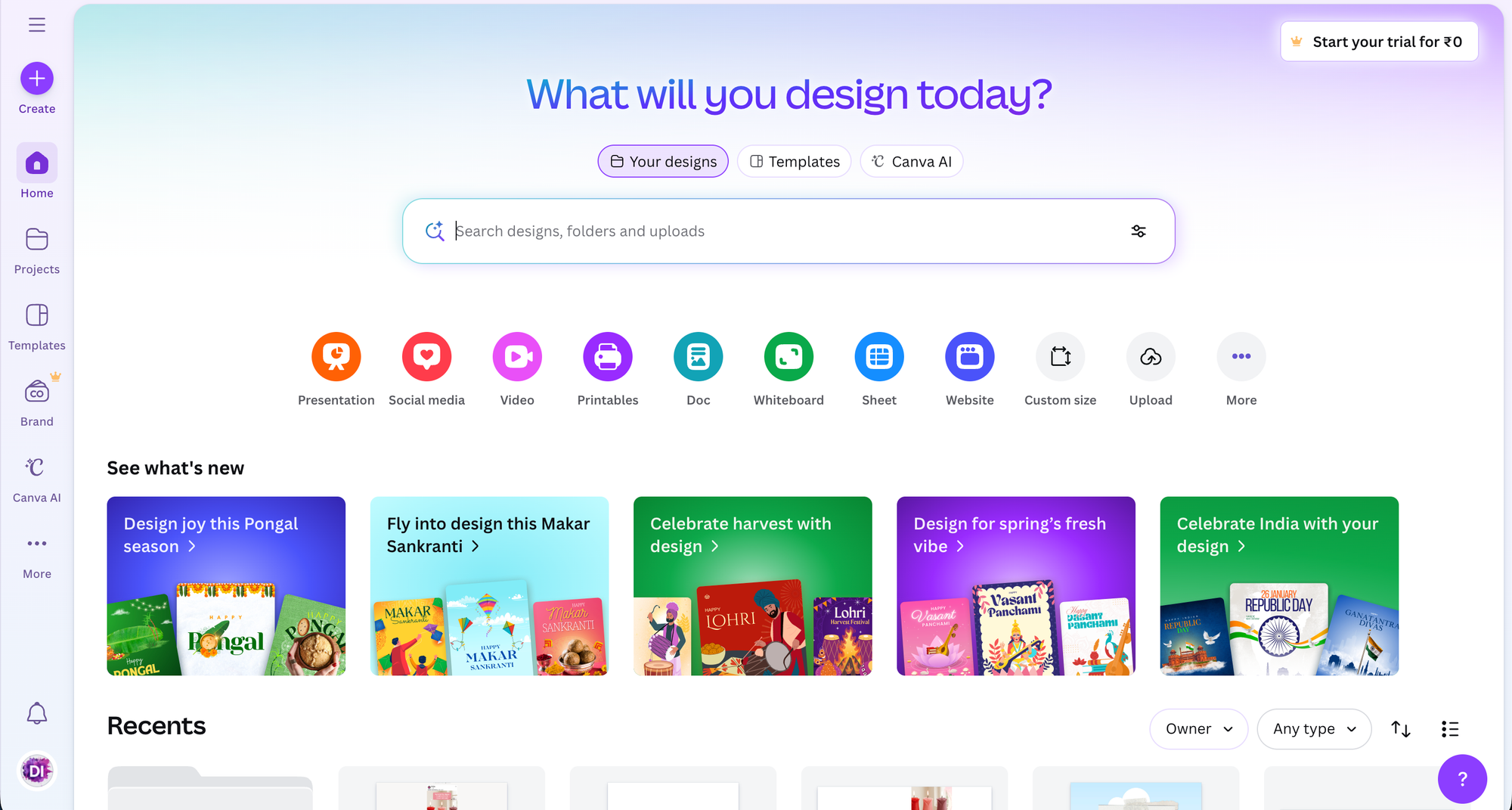
Canva is the industry standard for DIY graphic design. While it's not an automated ecommerce tool like Outfy or Design Instantly, it's the most common choice for sellers who are dissatisfied with automated template quality and prefer hands-on design control.
Key Features
Extensive Template Library: Access to millions of professional templates for every social media format and platform.
Bulk Create: Upload a CSV of product data (names, prices, descriptions) to generate multiple image variations at once.
Magic Studio: AI-powered tools for resizing images, removing backgrounds, and quick photo editing.
Apps and Integrations: Connects with various apps to import media or export finished designs.
Limitations
Even with Bulk Create, Canva requires significantly more manual effort than automated tools. You need to design, export, and then use a separate tool for scheduling.
Because Canva is so widely used, standard templates can look generic unless heavily customized.
Pricing
- Free: Robust free version with access to many templates
- Pro: $15/month (or $120/year) for premium assets, background removal, and brand kits
Best for: Sellers who prioritize brand aesthetic and want complete creative control over speed and automation.
4. Later
Later started as an Instagram scheduler but has evolved into a comprehensive visual marketing platform. It's a strong alternative for sellers who already have product photography ready and need a better system to organize, plan, and publish content.
Unlike Outfy, Later doesn't create content for you, but it excels at distribution and visual planning.
Key Features
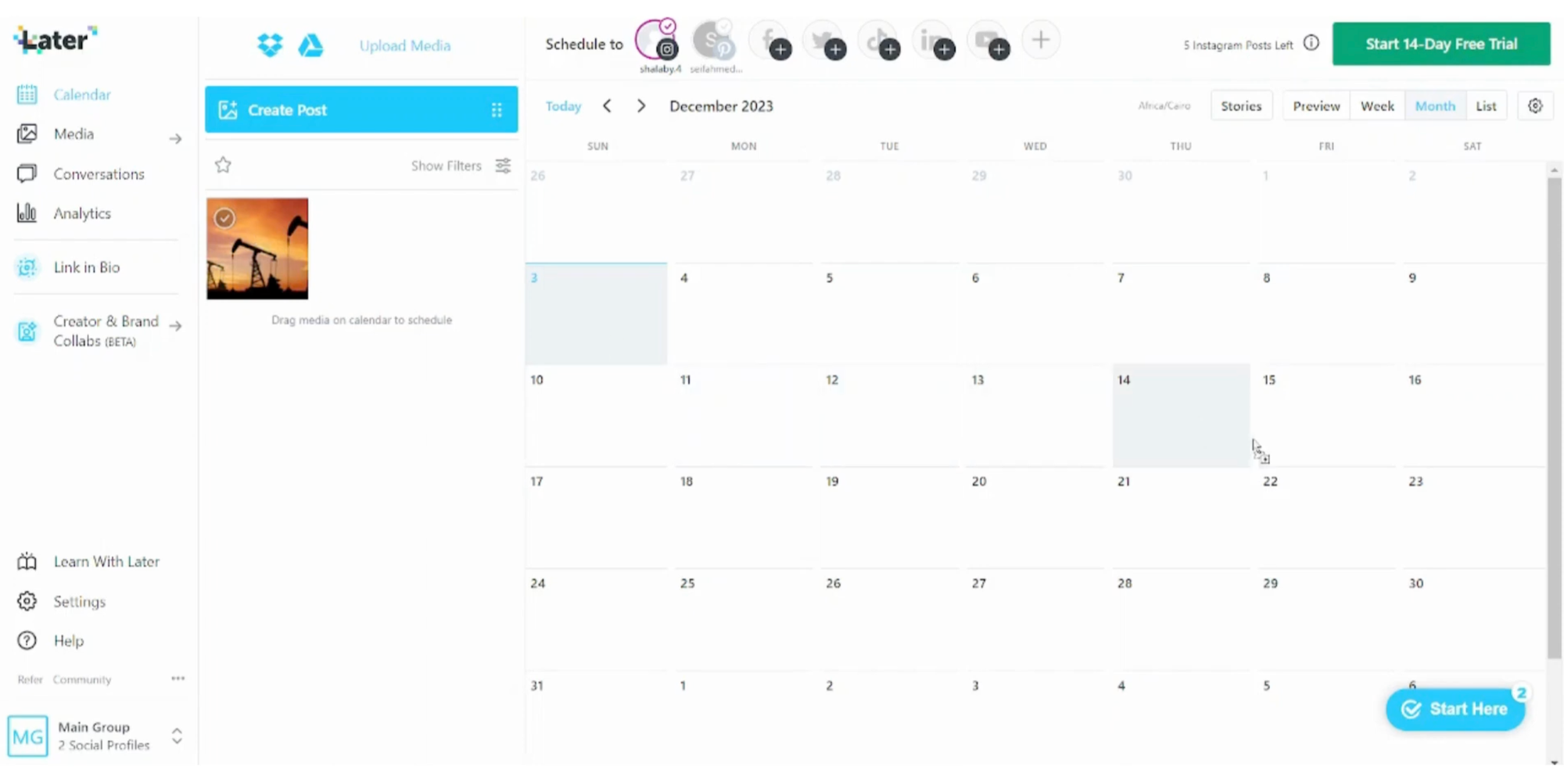
Visual Content Calendar: Drag-and-drop calendar that shows exactly how your feed will look before you publish.
Linkin.bio: Powerful link-in-bio tool that transforms your Instagram feed into a shoppable storefront.
Media Library: Organizes all your product photos and user-generated content in one searchable location.
Best Time to Post: Analyzes your audience activity to suggest optimal posting times for maximum engagement.
Limitations
Later provides no content creation features. It doesn't design posts or create collages from your products. You must upload finished assets.
Lower-tier plans have strict limits on the number of social channels and team members.
Pricing
- Free Plan: Very limited (1 social set, 5 posts per profile)
- Starter: Starts at $25/month
- Growth: Starts at $45/month
Best for: Brands that invest in high-quality product photography and need a visual planner to curate feed aesthetics.
[IMAGE PLACEHOLDER: Later's Linkin.bio showing shoppable Instagram grid]
5. Buffer
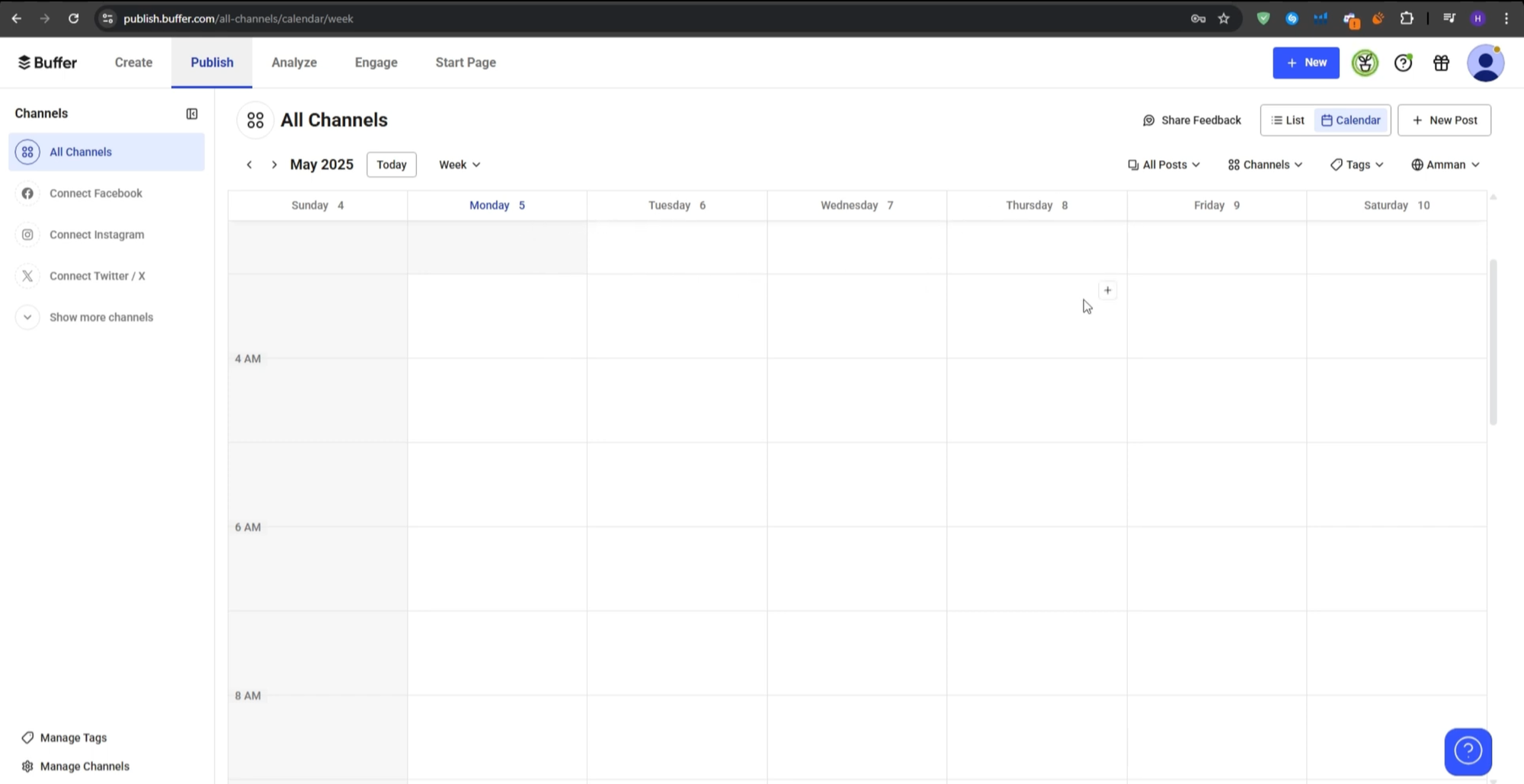
Buffer is a straightforward social media management tool known for simplicity and reliability. It's less ecommerce-specific than Outfy but widely used by shop owners who want an uncomplicated scheduling solution.
If your main complaint with Outfy is interface complexity, Buffer takes the opposite approach.
Key Features
Clean Interface: Consistently rated as one of the easiest social media dashboards to navigate.
Multi-Channel Scheduling: Supports Facebook, Instagram, Twitter/X, LinkedIn, Pinterest, and TikTok.
Shop Grid: Feature similar to Later's link-in-bio that makes Instagram posts shoppable.
Start Page: Simple landing page builder included with the platform.
Limitations
Buffer lacks advanced design automation, collage creation, or video generation features found in Outfy.
Pricing is often per channel, so costs can add up quickly if you manage multiple social accounts.
Pricing
- Free: Basic tools for up to 3 channels
- Essentials: $6/month per channel
Best for: Small teams or solo sellers who want a simple, reliable scheduling solution without complex features.
Which Alternative Should You Choose?
The right choice depends on where your current workflow breaks down.
If you want better design quality while maintaining automation, Design Instantly bridges the gap between Outfy's "set-it-and-forget-it" convenience and the professional appearance of manual design. It automatically adds conversion-focused text overlays and CTAs to product images, eliminating the generic look that often comes with full automation.
If you're satisfied with your current designs but find Outfy's interface difficult or outdated, tools like Later or Buffer offer much smoother scheduling experiences. However, you'll need to create or upload finished content yourself.
If you want to experiment with AI-generated video content and have budget flexibility, Predis.ai offers interesting technology for turning catalog data into multimedia posts, though it comes at a higher price point.
If you need complete creative control and have time for manual design, Canva provides the most flexibility and the largest template library available.
For most ecommerce sellers, the goal is straightforward: sell more products with less time spent on social media management. The key is finding a tool that matches your specific needs, whether that's automation, design control, or scheduling simplicity.
Consider where you currently spend the most time in your social media workflow, and choose the tool that eliminates that specific bottleneck.